High Frequency Argon vs Neon: Which Gas Is Right for You?
Argon or neon for high frequency skincare? Discover the real differences, skin benefits, and which electrode to choose. Find your match today!
If you've been researching high frequency argon vs neon electrodes, you've already done the hard part — you understand that the gas inside the tube actually matters. Now you just need a clear answer: which one is right for your skin?
Both gas types are safe, widely used, and found in professional spa equipment as well as at-home devices. But they produce different energies, different visible colors, and — most importantly — different results on your skin. The choice isn't about preference; it's about matching the right tool to your skin concern.
Read on for a plain-English breakdown of everything you need to know, including a side-by-side comparison table and a quick decision guide you can use today.
Table of Contents
- What Is High Frequency Technology (And Why Does the Gas Inside Matter)?
- Argon Gas (Violet/Purple Electrode): The Acne-Fighter
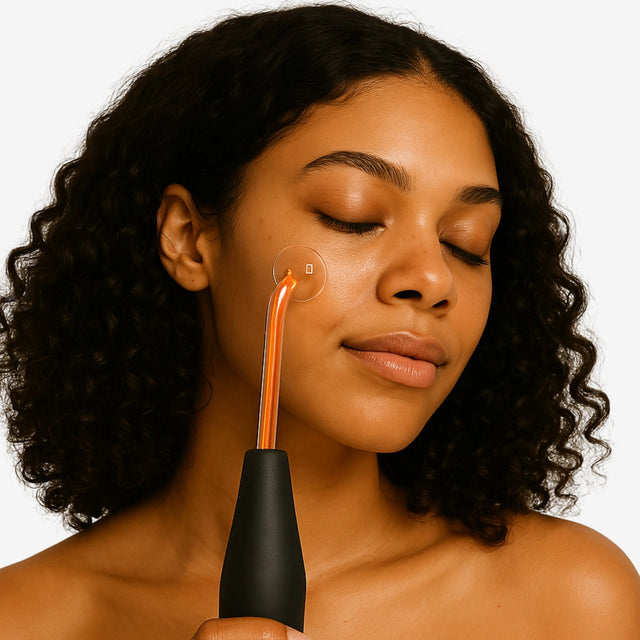
- Neon Gas (Orange/Red Electrode): The Anti-Aging Energizer
- Argon vs. Neon Side-by-Side: Quick-Decision Comparison Table
- Can You Use Both Gases? How to Build a Routine That Combines Them
- Which Gas Should YOU Choose? A Simple Skin-Type Decision Guide
- Frequently Asked Questions
- Ready to Find Your Match?
What Is High Frequency Technology (And Why Does the Gas Inside Matter)?
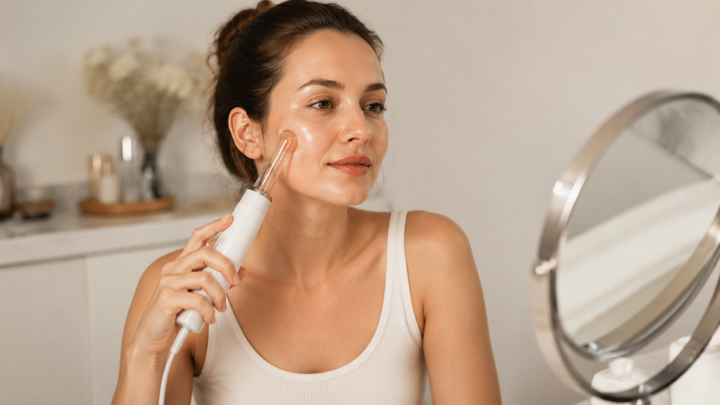
A high frequency device works by passing a rapidly alternating electrical current through a sealed glass electrode filled with an inert gas. That current energizes the gas molecules, creating a glowing plasma effect — and it's that energized plasma that interacts with your skin.
Here's why gas type is far more than an aesthetic detail: each gas emits energy at a different wavelength and produces different chemical reactions on contact with the skin surface. Swapping the electrode isn't just changing the color of the glow — it's changing the biological effect delivered to your skin tissue.
Both argon and neon are completely inert, non-toxic gases with long track records in both clinical and consumer skincare settings. At-home high frequency devices mirror the same core technology used in professional facial treatments for decades.
Expert insight : Research in photobiology confirms that different electromagnetic wavelengths interact with skin cells in distinct ways — this is the same principle behind why red and blue light therapy produce different outcomes, and it applies equally to high frequency gas types.
Want to go deeper on the underlying science? How high frequency skincare works is a great starting point before diving into gas comparisons.
It all comes down to what your skin actually needs.
Argon Gas (Violet/Purple Electrode): The Acne-Fighter

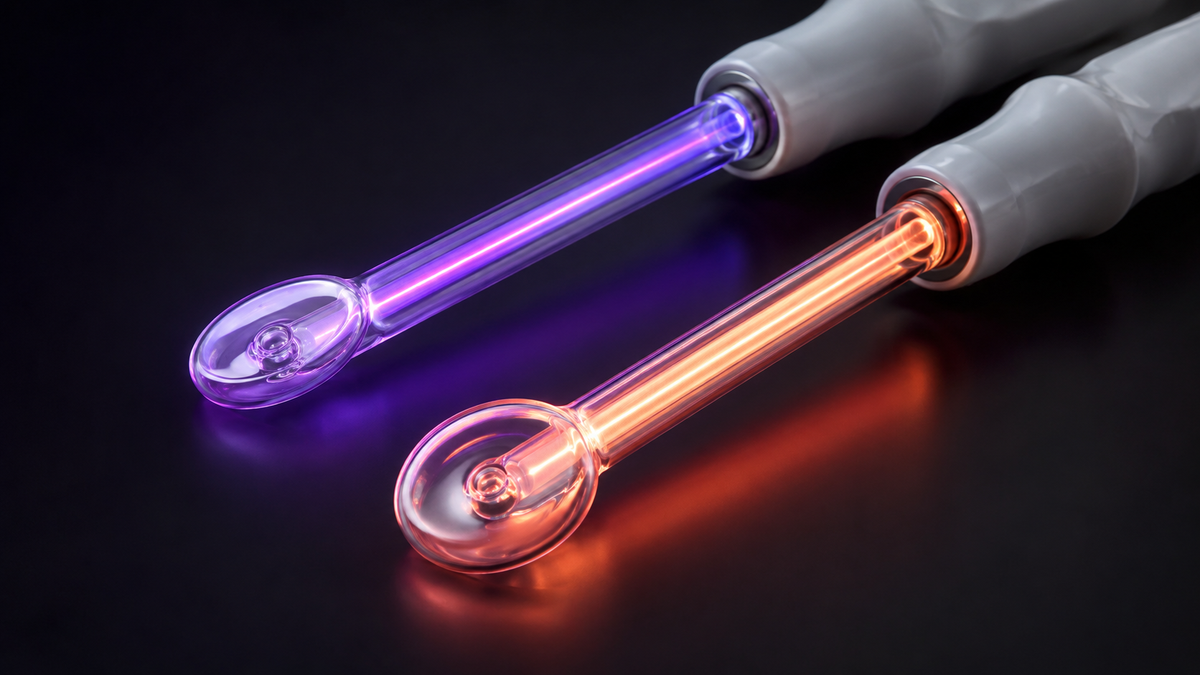
When you see that distinctive purple glow, you're looking at argon gas in action. Argon produces a violet/purple light and — crucially — it generates small amounts of ozone (O₃) on contact with the air and skin surface. That ozone is the key to its acne-fighting reputation.
Primary mechanism: Ozone is a naturally occurring antimicrobial agent. Research indicates it disrupts the cell membranes of bacteria, which is why argon-based high frequency has documented antimicrobial properties that may help reduce acne-causing bacteria on the skin surface.
Key benefits of the argon (violet) electrode:
- Kills acne-causing bacteria (C. acnes, formerly known as P. acnes) on the skin surface
- Reduces redness and inflammation associated with active breakouts
- Helps tighten enlarged pores and regulate excess sebum over consistent use
- Speeds up the healing cycle of existing blemishes
- Can address dandruff or scalp acne when used on the scalp
Best suited for: Oily, acne-prone, combination, or congested skin types. Also useful for anyone dealing with hormonal or cystic breakouts.
Practical tip: Apply argon on freshly cleansed, dry skin — before any serums or moisturizers. The electrode should always be moving; never hold it still on a single spot.
Quick tip : For a stubborn active blemish, glide the violet electrode in slow circles around (not directly over) the spot for 30–60 seconds. This delivers the antimicrobial ozone effect without over-stimulating the area.
Think of argon as your on-the-spot blemish intervention. If acne is your primary concern, the high frequency wand for acne is built with this electrode type in mind.
Neon Gas (Orange/Red Electrode): The Anti-Aging Energizer

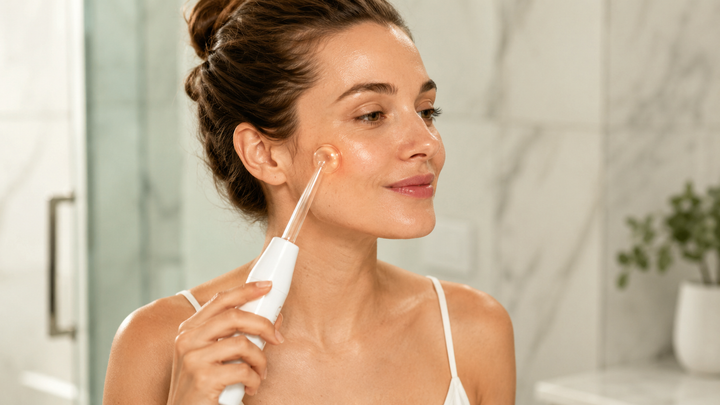
Switch to the orange/red-glowing electrode and you're working with neon gas — a fundamentally different energy with a completely different set of benefits. Neon does not generate significant ozone. Instead, it produces gentle warmth and electromagnetic energy that works beneath the skin's surface.
Primary mechanism: The neon electrode stimulates circulation and boosts cellular metabolism. That increased blood flow is what gives skin the immediate "lit from within" glow many users notice after a session.
Key benefits of the neon (orange/red) electrode:
- Boosts blood circulation to the skin surface for an instant radiance effect
- Stimulates collagen production and elastin synthesis over repeated use
- Reduces the visible appearance of fine lines and wrinkles with consistent sessions
- Promotes lymphatic drainage to help depuff and contour the face
- Encourages scalp circulation to support hair follicle health and thickness
Best suited for: Dry, mature, dull, or dehydrated skin. Also ideal for anyone focused on anti-aging, or dealing with hair thinning and scalp health concerns.
Practical tip: Unlike argon, neon works well after you've applied a serum. The gentle warmth can help drive active ingredients slightly deeper, amplifying your serum's effectiveness.
Customer story : Many users in their 40s who switched from using a single argon electrode to incorporating neon into their weekly routine report noticing a more even skin tone and a visible reduction in that "tired" look around the eyes and jaw within a few weeks of consistent use.
Think of neon as your daily circulation boost and collagen cheerleader.
Argon vs. Neon Side-by-Side: Quick-Decision Comparison Table
Sometimes you just need the facts in one place. Here's everything that matters, at a glance:
| Feature | Argon (Violet) | Neon (Orange/Red) |
|---|---|---|
| Glow color | Purple/violet | Orange/red/warm |
| Ozone production | Yes | Minimal |
| Best for | Acne, bacteria, oily skin | Anti-aging, dryness, circulation |
| Apply before or after serum | Before (on dry skin) | After (serum already applied) |
| Scalp use | Yes (dandruff, scalp acne) | Yes (hair growth, circulation) |
| Suitable for sensitive skin | Use with caution | Generally gentler |
| Key skin effect | Antimicrobial, pore-tightening | Warming, stimulating, plumping |
| Visible skin result | Clearer, less congested | Glowing, firmer, more radiant |
The good news? For most people, this isn't a strict either/or decision. Many high frequency wand kits — including HighWand — come with multiple electrode heads covering both gas types. That means you can target breakouts with argon on problem days and focus on anti-aging with neon on maintenance days, all from the same device.
Can You Use Both Gases? How to Build a Routine That Combines Them

Yes — and combining both is actually the ideal approach for most skin types. Here's a simple framework to follow:
Sample dual-gas weekly routine:
- Breakout days / oily skin days: Cleanse, dry skin, then use the argon (violet) electrode on problem zones for 3–5 minutes. Follow with your usual serum and moisturizer.
- Maintenance / anti-aging days: Apply your serum, then use the neon (orange) electrode across the full face, neck, and décolletage for 3–5 minutes.
- Scalp sessions: Either gas works — argon for scalp acne or dandruff, neon for hair growth and circulation stimulation.
Recommended frequency: Most users see good results with 3–5 sessions per week, keeping each session to 3–5 minutes per area. Starting at 3 times per week allows your skin to acclimate before increasing frequency.
Key safety reminders to keep every session effective:
- Always keep the electrode moving — never hold it stationary on one spot
- Remove all metal jewelry before starting any session
- Do not use over broken skin, open wounds, or active cold sores
- If you have very reactive skin, patch-test on a small area first
The high frequency wand for anti-aging is designed to support exactly this kind of multi-electrode protocol — giving you the flexibility to address different skin concerns across different sessions without needing multiple devices.
Expert insight : Skincare research consistently shows that results from energy-based home devices are cumulative. Consistent, moderate use over weeks yields more meaningful outcomes than sporadic intensive sessions — the same principle that applies to professional treatments.
Which Gas Should YOU Choose? A Simple Skin-Type Decision Guide
Not sure where to start? Use this quick if/then guide:
-
If your #1 concern is acne, blackheads, or oily skin → Start with argon (violet electrode). The ozone production directly addresses the bacterial component of breakouts.
-
If your #1 concern is dullness, fine lines, or loss of firmness → Start with neon (orange electrode). The circulation-boosting and collagen-stimulating effects are what you need.
-
If you have thinning hair or scalp concerns → Neon is your go-to. Scalp circulation is a key factor in follicle health, and the high frequency wand for hair growth is specifically configured for scalp use.
-
If you have combination skin with breakouts AND aging concerns → Look for a kit that includes both electrodes. You'll get the benefits of both gas types and can tailor each session to your skin's current needs.
-
If you have very sensitive skin or rosacea-prone skin → Consult a dermatologist before starting. If cleared, begin with neon at the lowest intensity setting and limit sessions to 2 minutes while your skin adjusts.
A few important reminders before you begin:
- Results from high frequency treatments are gradual. Consistent use over 4–8 weeks matters far more than which gas is "superior."
- High frequency devices are wellness tools, not medical treatments. They do not replace a dermatologist's care for serious skin conditions.
- Neither gas type is universally "better" — the best electrode is simply the one matched to your skin concern.
Frequently Asked Questions
Is argon or neon better for acne?
Argon is the clear choice for active acne. It generates ozone on contact with the skin, which research indicates has antimicrobial properties that target acne-causing bacteria (C. acnes) on the skin surface. Neon does not produce this effect and is better suited to anti-aging and circulation goals.
Can I use a high frequency wand every day?
Most recommendations suggest 3–5 sessions per week, each lasting 3–5 minutes per area. Daily short sessions are tolerated well by many users, but starting at three times per week lets your skin adapt gradually. Listen to your skin — any persistent redness is a signal to reduce frequency.
Does the color of the electrode actually change the result?
Yes — this is one of the most important things to understand about high frequency wand gas types. The color is determined by the specific inert gas sealed inside the glass tube. Each gas emits a different electromagnetic wavelength and produces different chemical effects on contact with skin. The difference is functional, not cosmetic.
Is neon safe for the eye area?
Use with caution. Avoid direct contact with eyelids, keep eyes closed, use the smallest available electrode, and always keep it moving. If you have any uncertainty, skip the eye area entirely and rely on a dedicated eye cream for that zone instead.
Can I use argon and neon in the same skincare session?
Absolutely. Many users treat acne-prone zones with the argon electrode first (on dry, pre-serum skin), then switch to the neon electrode for a full-face circulation pass after applying serum. It's an efficient way to address multiple skin concerns in a single session.
How long until I see results?
Argon's antibacterial effects on surface bacteria can act relatively quickly — some users notice reduced redness within a few sessions. Neon's collagen-stimulating benefits are cumulative and typically become noticeable after 4–6 weeks of consistent use. Patience and consistency are the most important variables.
Ready to Find Your Match?
You now have everything you need to make a confident, informed decision about argon vs. neon high frequency skincare. Whether your goal is clearer, less congested skin or a firmer, more radiant complexion, the right electrode is the one that speaks directly to your skin's needs.
If acne is what you're tackling, start with the violet argon electrode and give it a consistent 4–6 weeks. If anti-aging and radiance are your priorities, the neon electrode is your daily companion. And if your skin needs both — a kit with multiple heads gives you the flexibility to use the right tool at the right time.
Explore the HighWand collection to find the device and electrode combination that fits your routine.
This guide is for general information and isn’t medical advice. If you have a skin or scalp condition, talk to a dermatologist.