


Get your package anywhere!

Signs Your Scalp Needs More Stimulation for Hair Growth (And What to Do About It)
If your hair feels like it stopped growing months ago, or you're noticing more strands on your brush than usual, your scalp might be sending you a message. The signs your scalp needs more stimulation for hair growth are often subtle at first — easy to dismiss as "just stress" or "my genetics." But in most cases, there is something actionable you can do about it.
This guide walks you through the clearest signals to watch for, the root causes behind them, and — most importantly — the practical steps you can take at home to wake your scalp back up.
Table of Contents
- Why Scalp Stimulation Actually Matters for Hair Growth
- 7 Clear Signs Your Scalp Is Under-Stimulated
- The Root Causes Behind a Sluggish Scalp
- Simple At-Home Techniques to Re-Awaken Your Scalp
- How a High Frequency Wand Can Take Scalp Stimulation Further
- How Often Should You Stimulate Your Scalp?
- Building a Scalp Stimulation Routine That Actually Sticks
- Frequently Asked Questions
Why Scalp Stimulation Actually Matters for Hair Growth
Your hair goes through a continuous cycle: the anagen (active growth) phase, the catagen (transition) phase, and the telogen (resting and shedding) phase. The health of your scalp directly influences how long each follicle stays in anagen — meaning a healthier, more stimulated scalp equals more time spent actually growing hair.
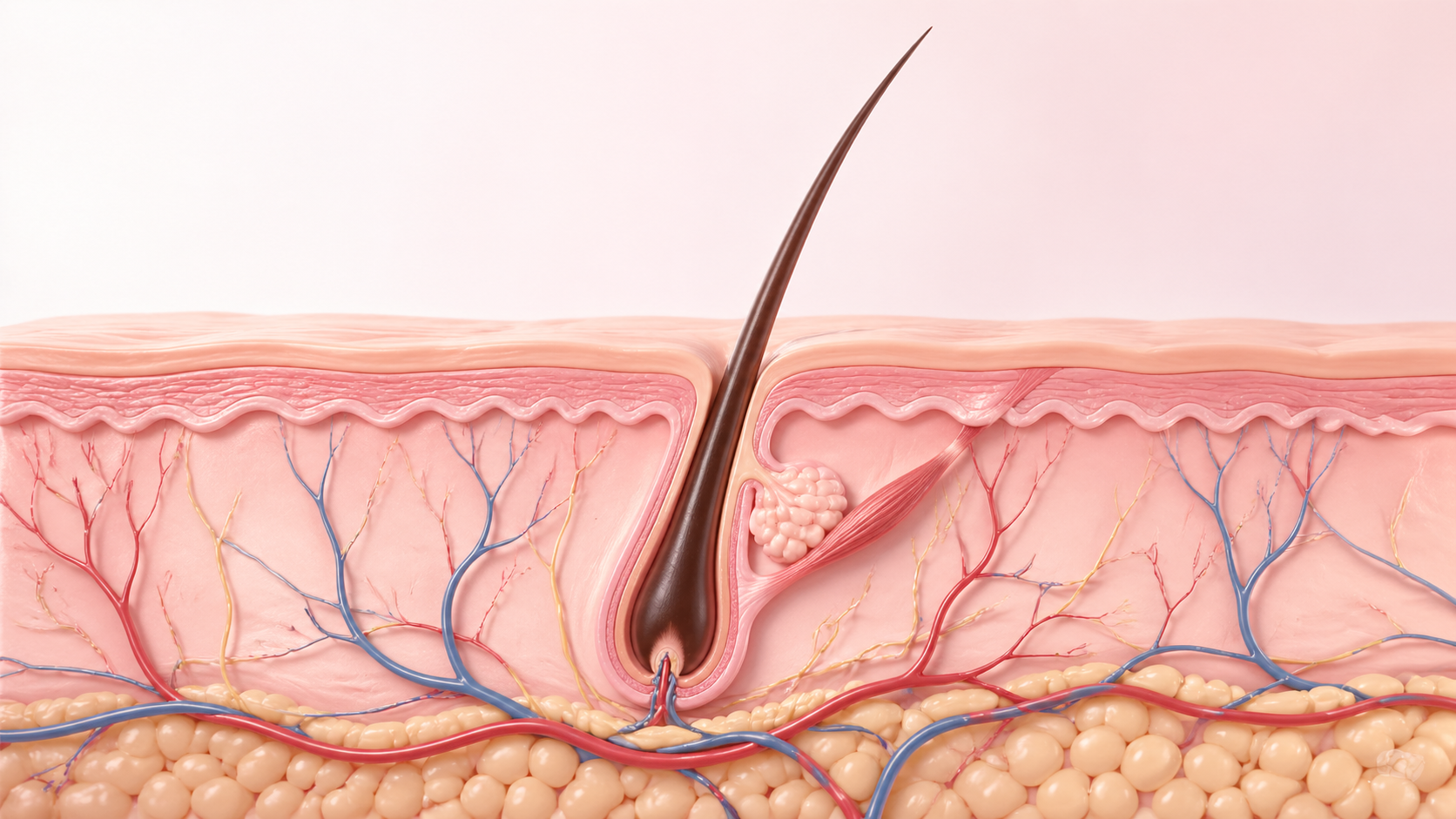
Stimulation matters because it drives micro-circulation. When blood flows freely to the scalp, follicles receive the oxygen and nutrients they need to produce strong, thick strands. When circulation is poor, follicles essentially go hungry — and hair growth stalls.
The problem is that an under-stimulated scalp is increasingly common. Sedentary desk jobs, tight hairstyles like buns or braids worn daily, and both over-washing and under-washing can all slow down the natural activity at the scalp level. Dermatologists widely agree: scalp health is foundational to hair health. Before you can fix the problem, though, you need to recognize it.
7 Clear Signs Your Scalp Is Under-Stimulated
Sluggish scalp symptoms don't always announce themselves loudly. Some are easy to overlook until you know what to look for. Here are the most telling signs of poor scalp circulation — and what each one means.
1. Slow or stalled hair growth Your hair feels like it simply won't get past a certain length. This often isn't a trimming problem — it's a follicle problem. When circulation is low, the anagen phase shortens, and strands don't reach their full growth potential.
2. Excessive daily shedding Losing 50–100 hairs per day is normal. Consistently seeing more than that — on your pillow, in the shower drain, on your brush — is a sign your follicles may be cycling out of the growth phase too quickly, often due to poor scalp health and circulation.
3. Scalp feels tight or numb A scalp that feels physically tense or has reduced tactile sensitivity isn't just uncomfortable — it's a sign that blood flow and nerve activity in the area are restricted. This is one of the more direct signs of poor scalp circulation.
4. Persistent dandruff or flakiness This isn't always just dryness. Flakiness can signal poor cell turnover at the scalp level, which is closely linked to sluggish circulation and inadequate nutrient delivery to the skin surface.
5. Thinning at the crown or temples These are the earliest zones to show circulation deficits in women, particularly those experiencing thinning hair at the crown. The crown and hairline are furthest from the heart in terms of capillary reach, making them vulnerable first.
6. Hair that breaks before it grows long If your hair snaps off rather than shedding from the root, weak strands may point to nutrient-starved follicles that can't produce structurally sound hair.
7. Your scalp rarely feels "alive" or tingly after washing A healthy, reactive scalp should feel refreshed and slightly energized after a wash. If yours feels flat and indifferent every time, that lack of natural reactivity is worth paying attention to.
Expert insight : According to the American Academy of Dermatology, hair loss and thinning have many potential causes — but scalp health and follicle environment are among the most addressable factors a person can influence at home. See the AAD's overview of hair loss causes for a broader reference point.
Note: these signs are signals to act on, not clinical diagnoses. If your shedding is sudden, severe, or patchy, please consult a dermatologist.
The Root Causes Behind a Sluggish Scalp
Understanding why your scalp is under-stimulated makes it much easier to address. The causes often overlap, and they map directly onto the signs listed above.
Reduced micro-circulation is the primary driver. When the tiny blood vessels supplying your follicles aren't being regularly activated — through movement, massage, or stimulation — they become less efficient over time.
Hormonal fluctuations play a major role, especially for women between 25 and 55. Estrogen drops during perimenopause, postpartum recovery, or hormonal shifts from stopping birth control can push follicles into the telogen phase en masse. Postpartum hair thinning, for instance, is largely triggered by this mechanism.
Scalp buildup from styling products, hard water mineral deposits, or excess sebum can clog follicle openings, physically blocking growth and reducing skin cell turnover — which explains the dandruff and flakiness connection.
Chronic stress elevates cortisol, which research consistently links to increased telogen shedding. Stress doesn't just affect your mood; it directly influences scalp health and hair loss.
Nutritional gaps — particularly in iron, zinc, biotin, and vitamin D — can leave follicles without the raw materials they need to produce hair. These are supporting factors rather than primary causes, but they matter more than most people realize.
Each of these causes feeds back into the signs in the previous section. The good news: most of them are addressable with consistent, targeted action.
Simple At-Home Techniques to Re-Awaken Your Scalp
Learning how to stimulate hair follicles at home doesn't require expensive salon appointments. These techniques are practical, low-effort, and backed by evidence.
-
Daily scalp massage (4–5 minutes) Use your fingertips in small circular motions across the entire scalp — not just the top. A 2016 study published on NCBI found that standardized scalp massage increased hair thickness in participants over 24 weeks. Scalp massage for hair growth is one of the most evidence-supported habits you can build.
-
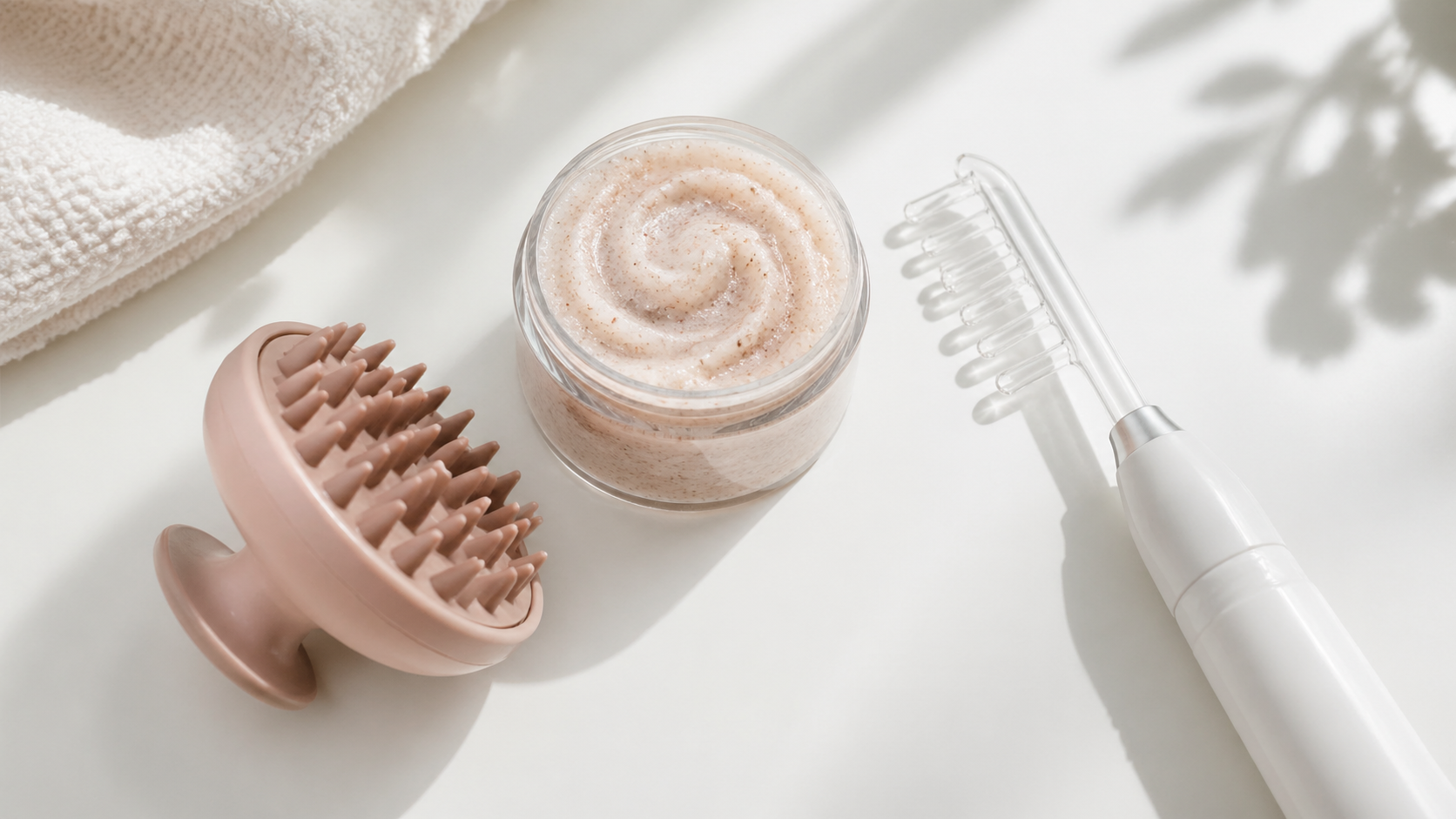
Scalp exfoliation (1–2x per week) Use a gentle scalp scrub or a soft silicone brush to clear product buildup and dead skin. Scalp exfoliation benefits go beyond cleanliness — it physically removes barriers that block follicle function and improves surface circulation.
-
Purposeful brushing This isn't about aggressive brushing — it's about intentional, scalp-level strokes that distribute natural oils and mildly activate blood flow. Use a natural bristle brush and keep sessions short (2–3 minutes).
-
Warm water rinse Finish your shower with comfortably warm (not hot) water on your scalp. Warm water temporarily dilates capillaries, giving circulation a brief but real boost.
-
Dietary support Iron-rich foods (lentils, spinach, lean red meat), omega-3 fatty acids (salmon, flaxseed, walnuts), and proper hydration all provide foundational support for follicle health. Think of nutrition as the infrastructure everything else runs on.
Quick tip : Pair your 4-minute scalp massage with something you already do daily — like watching the news or waiting for your coffee to brew. Habit-stacking makes consistency effortless.
For women who want faster or more consistent results beyond manual techniques, technology can take scalp stimulation meaningfully further.
How a High Frequency Wand Can Take Scalp Stimulation Further
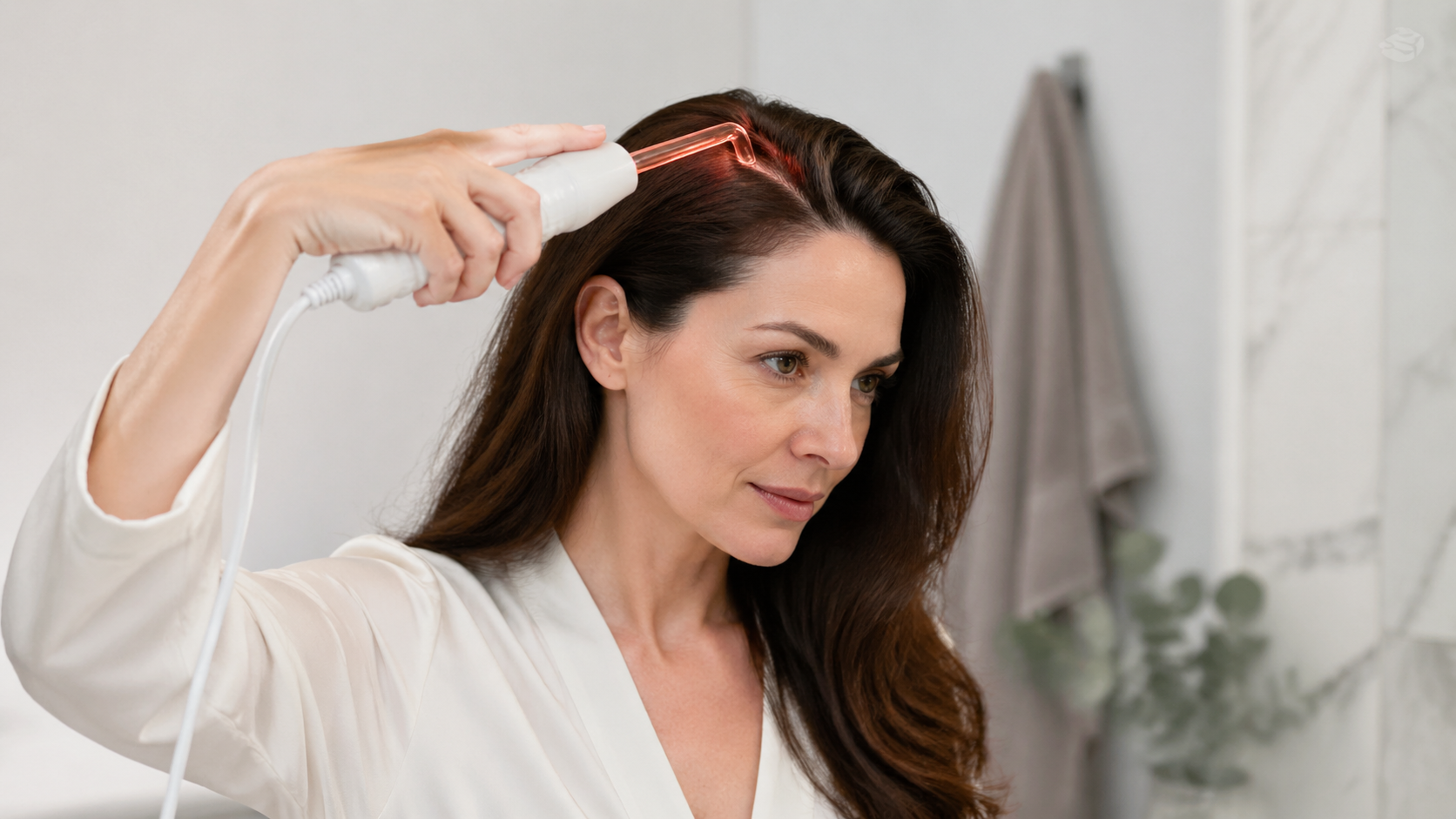
A high frequency scalp treatment works by passing a gentle, low-level electrical current through a glass electrode filled with either neon or argon gas. When applied to the scalp, this current creates a mild micro-stimulation that increases local blood flow and gently warms the tissue underneath — essentially doing in a few minutes what manual massage builds toward gradually.
The neon electrode produces a warm orange glow and is typically associated with energizing and circulation-boosting effects on the scalp. The argon electrode emits a violet light and is often preferred for scalps with sensitivity or mild irritation concerns. Neither electrode delivers any painful sensation — most users describe it as a subtle warmth and light tingling.
Here's a quick comparison to help you understand the options:
| Electrode Type | Gas | Light Color | Best For |
|---|---|---|---|
| Neon | Neon gas | Orange / red | General circulation boost, hair growth support |
| Argon | Argon gas | Violet / purple | Sensitive scalps, mild irritation, scalp wellness |
The real appeal for at-home users is the time efficiency: a session takes just 5–10 minutes, used 2–3 times per week. That makes it far more accessible than professional scalp treatments and easy to build into a realistic hair growth routine for women.
If you're looking for a reliable device to start with, the wand for hair follicle stimulation at Highwand is designed specifically for at-home scalp use and is built with the kind of consistent output that makes a real difference over time.
A few honest notes: results vary from person to person, and consistent use over weeks — not a single session — is what drives change. The wand works best as a complement to the manual techniques in the previous section, not as a standalone fix. It is not a medical treatment and is not intended to replace professional care for diagnosed conditions.
For step-by-step guidance on getting the most out of your device, see this detailed guide on how to use a high frequency wand on your scalp.
Customer story : "I had been dealing with postpartum shedding for almost eight months and felt like nothing was working. After adding a high frequency wand to my scalp routine — alongside daily massage — I noticed my shedding slow down by week five. By month three, my ponytail actually felt thicker." — Rachel M.
How Often Should You Stimulate Your Scalp?
Consistency is the real variable in scalp stimulation for hair growth. Here is a realistic weekly framework you can actually follow:
| Frequency | Practice | Duration |
|---|---|---|
| Daily | Fingertip scalp massage | 4 minutes (AM or PM) |
| 2–3x per week | High frequency scalp treatment | 5–10 minutes per session |
| 1–2x per week | Scalp exfoliation | 3–5 minutes |
| Monthly | Scalp self-check | Note changes in shedding, density, texture |
The most important thing to understand is that the hair growth cycle means visible results take time. Most women begin noticing reduced shedding within 4–6 weeks. Meaningful density or length improvements typically take 3–6 months. Patience isn't optional here — it's part of the process.
Short, regular sessions consistently outperform sporadic intensive ones. A 4-minute massage every day does more than a 30-minute deep treatment once a month.
When to see a professional: If shedding is sudden, severe, or appears in patches rather than diffusely, stop self-treating and consult a dermatologist. These patterns may indicate conditions like alopecia areata or telogen effluvium that require medical evaluation.
Building a Scalp Stimulation Routine That Actually Sticks
The most effective routine is the one you actually do. Here is where most people go wrong — and how to avoid it.
Common mistakes to avoid:
- Doing too much too fast and burning out after a week
- Skipping days and trying to "make up for it" with longer sessions
- Expecting visible results in days rather than weeks
- Switching products or tools every few weeks before anything has time to work
Habit-stacking is your best friend. Attach your scalp massage to something you already do — shampooing, watching TV in the evening, or your morning skincare routine. When the new habit piggybacks on an existing one, you dramatically reduce the mental friction of remembering to do it.
Track your starting point. Take a photo of your parting line today. In three months, compare. It's remarkably hard to notice gradual improvement without a reference point. You can also journal your daily shed count for four weeks — not obsessively, just a rough tally — to spot whether your baseline is actually improving.
For women looking for a complete at-home hair growth routine that goes beyond manual massage without the cost and scheduling hassle of salon scalp treatments, the wand for hair follicle stimulation is a practical next step. Pair it with the techniques in this article, give it 8–12 weeks, and track what changes.
If you want to explore more about choosing tools that fit your specific needs, the choosing the right scalp care tool for your needs guide is a helpful companion resource. And for ongoing tips and evidence-based advice, browse the full high frequency skincare tips and guides blog.
Your scalp is not a lost cause. It just needs a little more attention.
Frequently Asked Questions
Q1: How do I know if my scalp really needs more stimulation or if it's just genetics?
Genetics influence your hair type, texture, and density potential — but they don't determine your scalp circulation. Signs like persistent tightness, slow growth, or shedding spikes above your personal baseline are often responsive to stimulation regardless of genetic background. Starting a consistent routine is the most practical way to find out how much your scalp can change.
Q2: Can scalp stimulation reverse hair loss?
Stimulation supports follicle health and circulation, which creates a better environment for growth. It is not a cure for genetic hair loss (androgenetic alopecia), and it won't reverse loss caused by scarring. For any significant or ongoing hair loss concern, a dermatologist consultation is always the right first step.
Q3: Is a high frequency scalp treatment safe for all hair types?
High frequency scalp treatment is generally suitable for most hair types and textures. Those with active scalp conditions — such as psoriasis, eczema, or open sores — should consult a doctor before use. For best practices, refer to the how to use a high frequency wand on your scalp guide for specific technique and safety tips.
Q4: How long before I see results from scalp stimulation?
Most users notice a reduction in daily shedding within 4–6 weeks of consistent practice. Visible improvements in density or length typically require 3–6 months, reflecting the natural pace of the hair growth cycle. Consistency over that entire period — not intensity in short bursts — is what drives real change.

About the Author: Calla Winslow
Calla Winslow is a passionate skincare enthusiast and beauty writer based in Los Angeles. With a love for science-backed routines and a deep understanding of sensitive skin, Calla shares expert tips, honest reviews, and practical wellness advice to help readers achieve their healthiest glow.
More skincare tips
View all-

How Long to Use High Frequency Wand on Face: Fu...
Not sure how long to use a high frequency wand on face? Get the exact timing, frequency, and tips to get results safely. Start your routine today!
How Long to Use High Frequency Wand on Face: Fu...
Not sure how long to use a high frequency wand on face? Get the exact timing, frequency, and tips to get results safely. Start your routine today!
-

Signstek Portable High Frequency Wand: Honest R...
Is the Signstek portable high frequency wand right for your skin? Read our honest 2025 breakdown—specs, results & what to look for before you buy.
Signstek Portable High Frequency Wand: Honest R...
Is the Signstek portable high frequency wand right for your skin? Read our honest 2025 breakdown—specs, results & what to look for before you buy.
-

Invaincu Ion Eye Wand: Does It Really Work for ...
Curious about the Invaincu Ion Eye Wand? Discover how ion technology targets dark circles & puffiness — plus smarter at-home alternatives. Read the full guide.
Invaincu Ion Eye Wand: Does It Really Work for ...
Curious about the Invaincu Ion Eye Wand? Discover how ion technology targets dark circles & puffiness — plus smarter at-home alternatives. Read the full guide.
- Choosing a selection results in a full page refresh.
- Opens in a new window.