


Get your package anywhere!

Tube Facial: What It Is, How It Works & Real Benefits
A tube facial sounds like something you'd only find on a spa menu — but it's one of the most accessible at-home skin treatments available today. Whether you've stumbled across the term on social media or heard it from a friend who swears by her skin routine, understanding what a tube facial actually is can help you decide if it belongs in yours. This guide breaks down the science, the steps, and the real-world results — no hype, just what you need to know.
Table of Contents
- What Is a Tube Facial, Exactly?
- The Skin Benefits of a Tube Facial Treatment
- How a Tube Facial Compares to a Professional Facial
- Step-by-Step: How to Do a Tube Facial at Home
- Which Skin Types Benefit Most from Tube Facials?
- Choosing the Right High-Frequency Wand for Your Tube Facial Routine
- Building a Tube Facial Routine That Actually Sticks
- Frequently Asked Questions
What Is a Tube Facial, Exactly?
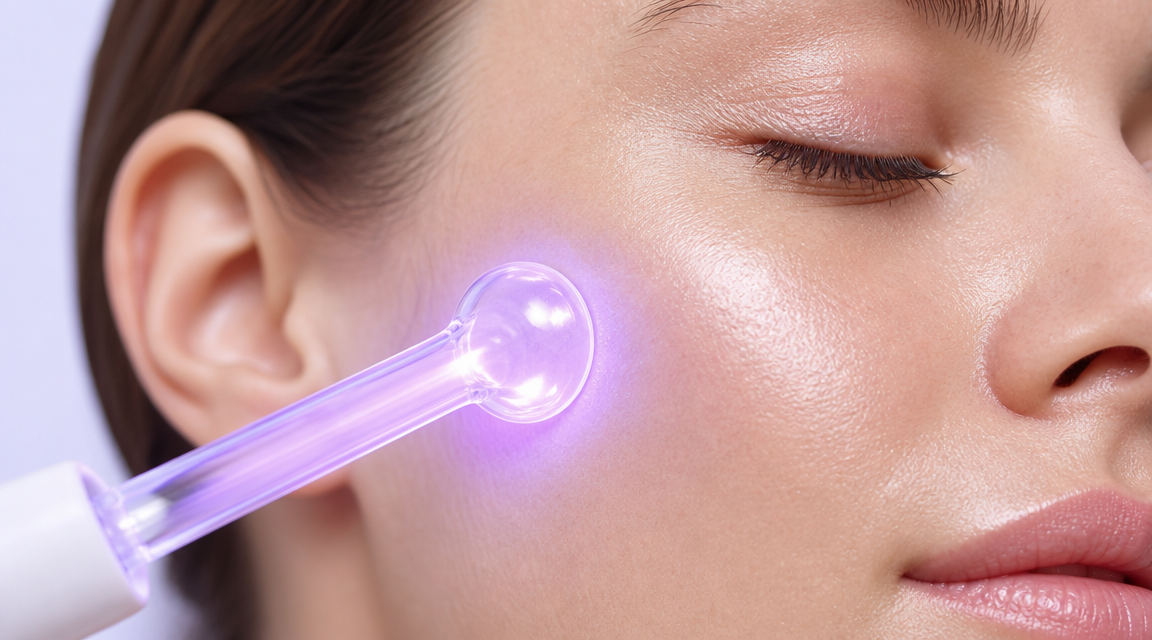
The term "tube facial" can cause some confusion, and that's fair. In skincare circles, it most commonly refers to a treatment that uses a glass tube electrode — a cylindrical glass attachment filled with gas (typically neon or argon) — that plugs into a high-frequency facial device.
When you switch the device on, a mild electrical current passes through the gas inside the tube, creating a soft buzzing sensation and a characteristic glow. That glowing glass tube is what makes contact with your skin and delivers the treatment. It's not a cream in a tube, and it's not a facial kit from a box — it's a wand-based electrical skin treatment.
Some users also use "tube facial" loosely to describe any compact, cylinder-shaped facial device used for direct skin contact. But the most accurate definition points to the neon tube facial or glass tube facial wand powered by high-frequency current.
Dermatologists recognize high-frequency electrode devices as a legitimate category of at-home facial tools with measurable cosmetic effects on surface skin conditions — making this more than just a wellness trend.
Expert insight : High-frequency devices have been used in professional aesthetician settings for decades. Their transition to the at-home market has been driven by improved portability and lower cost — not a reduction in underlying mechanism. The core technology remains the same.
The Skin Benefits of a Tube Facial Treatment
So why bother? The short answer: a well-designed tube electrode facial targets several common skin concerns at once, without requiring a single appointment.
The electrical current produced by the glass tube generates gentle ozone on the skin's surface. This has a mild antibacterial effect — which is why the treatment is particularly popular for acne-prone skin. Research on high-frequency current and acne bacteria suggests that this type of current can reduce Cutibacterium acnes populations on the skin, the bacteria most closely linked to inflammatory breakouts.
Beyond acne, the high-frequency skin treatment also:
- Reduces acne-causing bacteria on the skin's surface through gentle ozone production
- Boosts circulation by stimulating blood flow, giving skin a natural, healthy glow
- Supports collagen stimulation over time with consistent use, which may help firm and tighten the appearance of skin
- Helps reduce the visibility of fine lines — particularly with continued use over several weeks
- Targets multiple zones — face, neck, and décolletage can all benefit
These are cosmetic and aesthetic effects, not medical outcomes. If you're dealing with persistent or severe skin concerns, it's always worth consulting a dermatologist alongside any at-home routine. To understand the full scope of high-frequency skincare benefits, the underlying science is well worth exploring.
How a Tube Facial Compares to a Professional Facial
One of the biggest questions people ask: Is doing this at home actually worth it, or should I just book a spa appointment?
Here's an honest comparison:
| Factor | Professional Facial | At-Home Tube Facial |
|---|---|---|
| Cost per session | $75–$150+ | One-time device investment |
| Time commitment | 60–90 min + travel | 10–20 min at home |
| Recommended frequency | 1–2x per month | 3–5x per week (lower intensity) |
| Customization | Expert-guided | Self-directed |
| Deep extractions | Yes | No |
| Medical-grade peels | Yes | No |
| Accessibility | Requires booking | Available anytime |
The honest conclusion: professionals bring expertise and tools that a home device can't replicate. Deep extractions, medical-grade peels, and expert customization of settings based on your specific skin profile — those require a trained aesthetician.
But for maintenance between professional visits, or as a consistent standalone routine for mild-to-moderate concerns, an at-home facial device offers real, practical value. You get more frequent sessions at a fraction of the long-term cost.
Step-by-Step: How to Do a Tube Facial at Home
Getting the technique right makes a significant difference in results. Here's how to approach a session properly.
Before you start:
- Cleanse your face thoroughly — remove all makeup, sunscreen, and oil
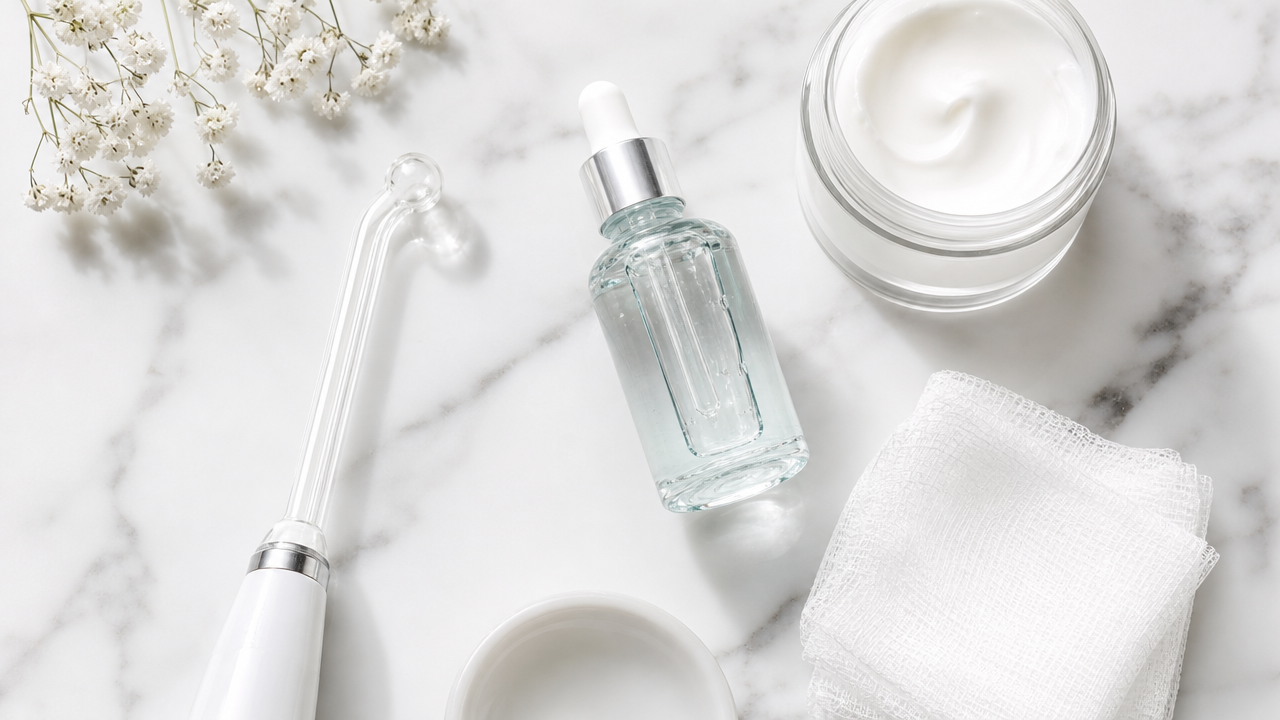
- Apply a thin layer of conductive serum, or place a single layer of gauze over the skin (a common professional technique that reduces direct friction)
- Remove all metal jewelry from your face and neck area
During the treatment:
- Select the tube electrode attachment for broad surface coverage (curved attachments work better for contours like the nose and jawline)
- Start on the lowest intensity setting, especially if you're new to the device
- Move the wand in slow, circular or gliding motions — never hold it stationary in one spot
- Keep sessions to 10–15 minutes per zone maximum
- Avoid broken skin, active cold sores, open wounds, or areas with active irritation
After treatment:
- Apply a hydrating serum or moisturizer immediately after — your skin is primed to absorb actives at this point
- Use SPF the next morning without fail; post-treatment skin can be more photosensitive
Frequency guide: Start at 2–3 sessions per week. Once your skin adapts over 2–4 weeks, you can increase to 4–5 times per week if tolerated well.
Quick tip : Apply a hyaluronic acid serum before your session to help the electrode glide more smoothly and boost hydration delivery at the same time. This is one of the simplest ways to upgrade your at-home routine without adding extra steps.
Safety reminders: Tube facials are not recommended during pregnancy. Those with pacemakers, metal implants near the treatment area, epilepsy, or active skin infections should check with their doctor before use.
Which Skin Types Benefit Most from Tube Facials?
The good news is that tube facials are versatile — but results do vary depending on your skin type.
Oily and acne-prone skin tends to see the most noticeable early results. The antibacterial ozone effect and pore-tightening properties address the root causes of breakouts directly. For this skin type, consistent use is where the real payoff lies.
Mature skin (roughly 40–55) benefits from the increased circulation and the collagen stimulation associated with regular high-frequency use. Results here are more gradual but meaningful with patience.
Combination skin is well-suited to tube facials because you can adjust settings — lower intensity for drier zones, slightly higher for oilier areas like the T-zone.
Sensitive skin can use tube facials, but with care. Stick to the lowest intensity setting, keep sessions short (5–8 minutes to start), and always do a patch test on a small area before a full-face treatment.
Dry skin should pair their tube facial with a deeply hydrating serum applied before treatment, so the session supports rather than stresses the skin barrier.
Who should avoid tube facials entirely:
- People with pacemakers or implanted electronic devices
- Those with metal implants near the treatment area
- People with epilepsy or seizure disorders
- Anyone with active skin infections in the treatment zone
- Pregnant women
When in doubt, a quick conversation with your dermatologist before starting is always the right move. For broader guidance on matching tools to your skin type, choosing the right skincare tool for your skin type covers a lot of useful ground.
Choosing the Right High-Frequency Wand for Your Tube Facial Routine
Not all high-frequency devices are built the same, and choosing well matters for both safety and results.
What to look for in a device:
- Adjustable intensity levels (at least 3–5 settings)
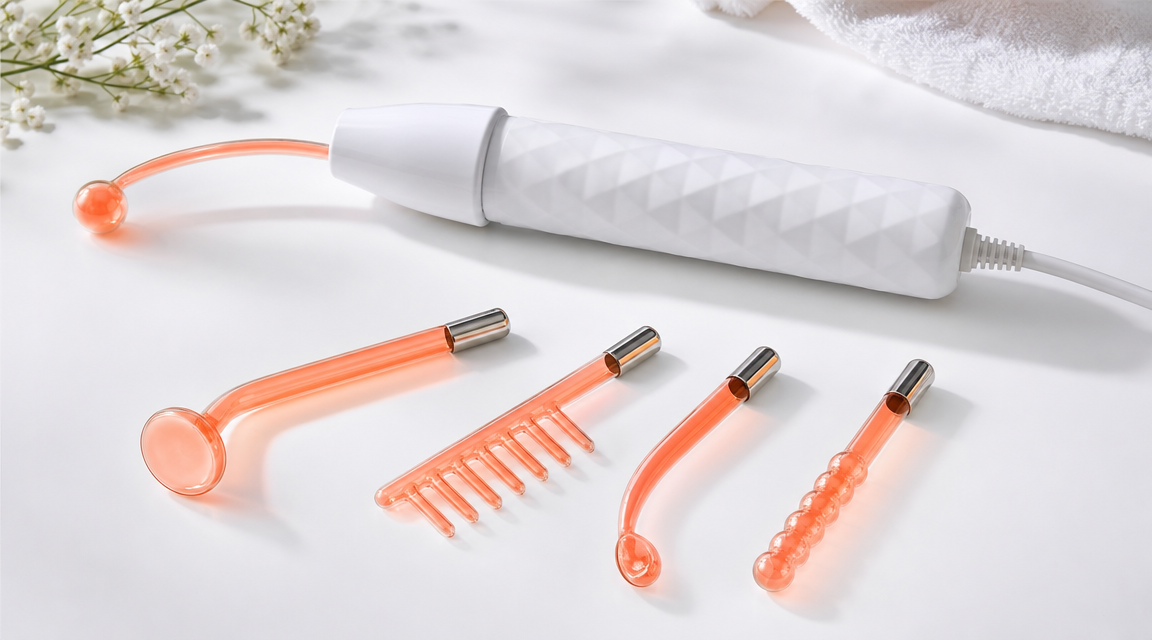
- Multiple electrode attachments, including a tube or mushroom-shaped glass electrode
- Portable and ideally cordless design for ease of use
- Consistent build quality — glass electrodes that feel secure, not loose
Violet vs. neon electrode — which one do you need?
| Electrode Type | Gas Inside | Best For |
|---|---|---|
| Violet / Purple | Argon gas | Oily and acne-prone skin |
| Orange / Red | Neon gas | Dry and aging skin |
The violet ray facial attachment (argon gas) produces stronger antibacterial ozone — ideal if breakouts are your main concern. The neon variant runs slightly warmer and is traditionally associated with circulation-boosting and anti-aging applications.
If you're looking for a reliable starting point, the high-frequency wand for anti-aging from HighWand is designed with adjustable settings and includes tube attachments suited for facial contouring and full-face coverage. For those whose primary concern is acne and clearer skin, the high-frequency wand for acne and clear skin is the more targeted option. Both include the glass tube electrode attachments you need to start a proper tube facial routine.
Device tip : When starting out, prioritize a device with multiple intensity levels over one with a fixed setting. Having the ability to start low and gradually increase gives your skin time to adapt — which is especially important during the first few weeks of use.
Building a Tube Facial Routine That Actually Sticks
The single biggest factor in getting results from at-home high-frequency treatments is not the device you buy — it's consistency. Results from regular sessions typically build over 4–8 weeks, not overnight.
A simple routine that works:
- Morning: Gentle cleanser → vitamin C serum → SPF (no wand in the morning)
- Evening (treatment nights): Cleanser → hyaluronic acid serum → tube facial session → hydrating moisturizer
- Non-treatment evenings: Cleanser → serum → moisturizer as usual
Pair your tube facial with complementary steps rather than layering tool on top of tool. A jade roller used after the session can support lymphatic drainage and help depuff — a genuinely useful combination. But resist the urge to do everything at once. Adding too many active tools in a single routine increases the chance of irritation and makes it harder to know what's actually working.
A practical habit: take a photo of your skin every Sunday in the same light and angle. Progress from high-frequency facials is often gradual enough that you miss it day to day — weekly photos give you a more objective view.
For additional guidance on safe use of at-home skin devices, the American Academy of Dermatology offers resources on realistic expectations for at-home technology — particularly around safety and what these tools can and cannot achieve.
Finally, remember: patience and consistency will take you further than pushing intensity or frequency too fast. Your skin adapts and responds to regularity, not just to effort.
Frequently Asked Questions
Q1: What exactly is the "tube" in a tube facial?
The tube is a glass electrode attachment filled with gas — either argon (violet glow) or neon (orange glow) — that slots into a high-frequency facial device. When activated, the electrical current ionizes the gas and produces a mild ozone effect on the skin's surface, which is what delivers the antibacterial and circulation-boosting benefits.
Q2: How often should I do a tube facial at home?
Most dermatologists suggest starting with 2–3 sessions per week, each lasting 10–15 minutes. Once your skin adapts over the first few weeks, you can gradually increase to 4–5 times per week if your skin tolerates it well without redness or irritation.
Q3: Can a tube facial help with acne scars or just active breakouts?
Tube facials primarily help with active acne by reducing surface bacteria and calming inflammation around existing breakouts. For deeper acne scarring, they may support cell turnover over time — but they are not a standalone treatment for scarring. For that level of concern, consulting a dermatologist about complementary options is the right step.
Q4: Is a tube facial safe for sensitive skin?
Yes, with the right approach. Use the lowest intensity setting, keep sessions short (5–8 minutes to start), and always perform a patch test on a small area of skin before treating the full face. If you notice persistent redness or irritation, reduce frequency or discontinue use and consult a dermatologist.

About the Author: Calla Winslow
Calla Winslow is a passionate skincare enthusiast and beauty writer based in Los Angeles. With a love for science-backed routines and a deep understanding of sensitive skin, Calla shares expert tips, honest reviews, and practical wellness advice to help readers achieve their healthiest glow.
More skincare tips
View all-

H Rosacea Formula: What It Is & How to Manage F...
Discover what the H rosacea formula means, which ingredients calm redness, and how to build a gentle routine that soothes sensitive skin. Read now →
H Rosacea Formula: What It Is & How to Manage F...
Discover what the H rosacea formula means, which ingredients calm redness, and how to build a gentle routine that soothes sensitive skin. Read now →
-

Frequency Machines for Skin: What They Do & How...
Discover how frequency machines work for skin, hair & anti-aging. Compare device types, read expert tips, and find the right tool for your routine. Shop now.
Frequency Machines for Skin: What They Do & How...
Discover how frequency machines work for skin, hair & anti-aging. Compare device types, read expert tips, and find the right tool for your routine. Shop now.
-

Professional High Frequency Machine: Complete B...
Wondering which professional high frequency machine is right for you? Discover how they work, key features to compare, and find your perfect at-home match.
Professional High Frequency Machine: Complete B...
Wondering which professional high frequency machine is right for you? Discover how they work, key features to compare, and find your perfect at-home match.
- Choosing a selection results in a full page refresh.
- Opens in a new window.