


Get your package anywhere!

Argon vs Neon High Frequency Wands: Which Is Right for You?
The argon vs neon high frequency distinction is one of the most important things to understand before choosing a wand — and yet most product pages barely explain it. If you've noticed two distinct glowing colors in product photos — a cool violet-purple and a warm orange-red — that difference isn't just cosmetic. It tells you exactly which gas is inside the electrode, and that gas determines what the device actually does for your skin.
Understanding the argon vs neon high frequency distinction is the single most important decision you'll make when choosing a device or electrode kit. This guide breaks it down clearly — no chemistry degree required.
Table of Contents
- What Is a High Frequency Wand and How Does the Gas Inside Matter?
- Argon High Frequency Wands: The Violet Light Explained
- Neon High Frequency Wands: The Orange-Red Light Explained
- Argon vs Neon Side-by-Side: Quick Comparison Table
- Can You Use Both Gases on the Same Skin?
- How to Choose the Right Electrode for Your Skin Goals
- Safety, Frequency of Use & What to Realistically Expect
- Frequently Asked Questions
What Is a High Frequency Wand and How Does the Gas Inside Matter?
A high frequency wand passes a low-level electrical current through a sealed glass electrode filled with an inert gas. That current excites the gas molecules, which then emit light and produce a small amount of ozone at the skin's surface. The type of gas determines the wavelength of light emitted, the amount of ozone generated, and — critically — the therapeutic effect on your skin.
Think of it like choosing between two tools in a kit: both are useful, but each is designed for a different job. To understand how high frequency skincare works at a deeper level, it helps to know what's happening at the electrode level first.
The two gases you'll encounter in virtually every consumer device are argon (violet/purple glow) and neon (orange/red glow). Both are inert, safe, and widely used in professional and at-home settings. Neither requires specialist training to operate.
Argon High Frequency Wands: The Violet Light Explained
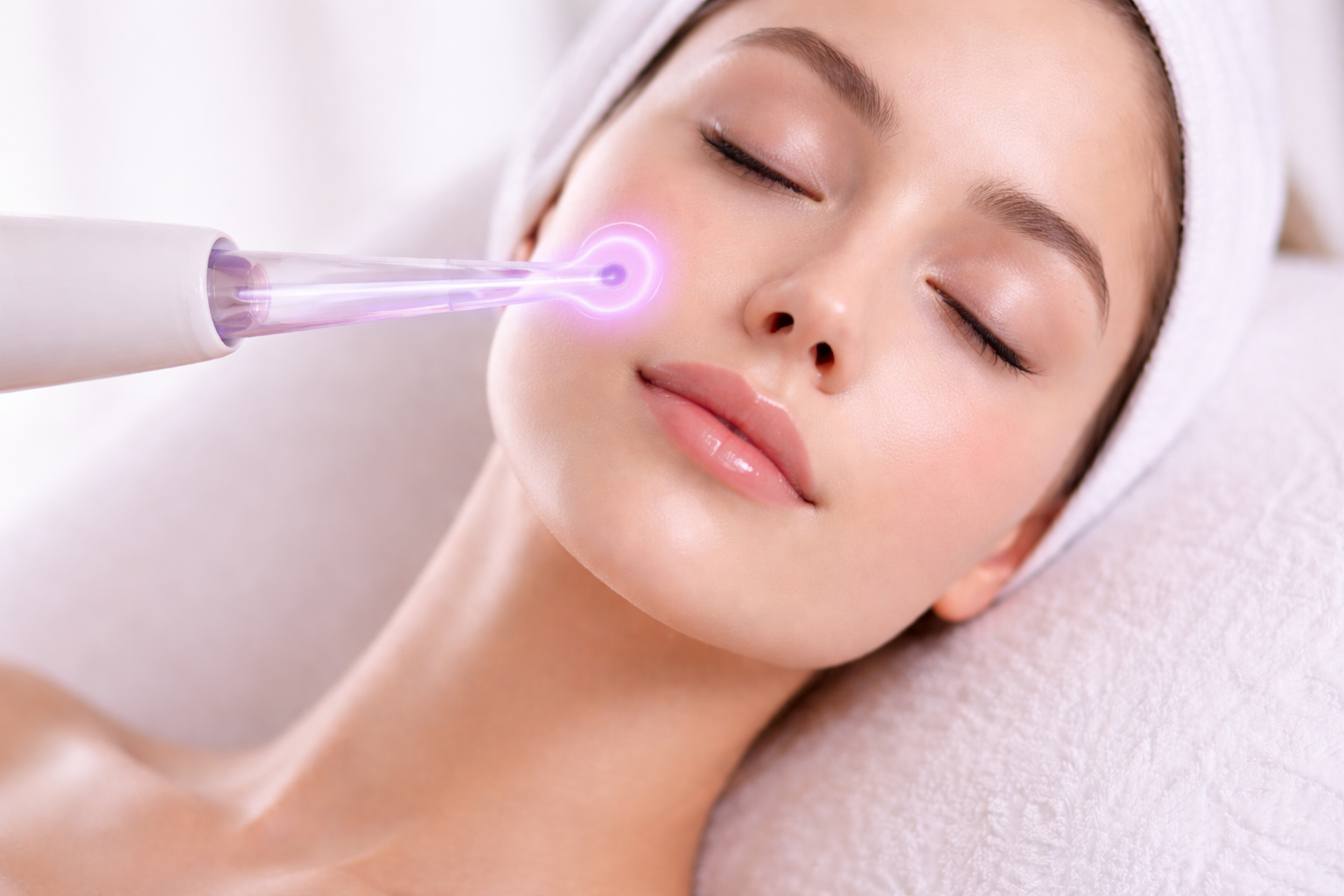
Argon electrodes produce that distinctive violet or purple glow. The key reason skincare enthusiasts love them? Argon generates a higher level of ozone compared to neon. And ozone — even at these trace levels — is a natural antimicrobial agent.
What argon does for your skin:
- Kills acne-causing bacteria (P. acnes) on the skin's surface
- Reduces redness, active pustules, and comedones
- Helps minimize the appearance of enlarged pores
- Calms inflammation around breakouts without harsh topical chemicals
Argon is the go-to electrode for oily, acne-prone, and combination skin. It's also the most commonly recommended starting point for first-time high frequency wand users who are dealing with breakouts — particularly in the 20s–35 age range where hormonal acne tends to peak.
Practical tip: Use your argon electrode in direct mode for targeted spot treatment on active blemishes. If you want to calm overall skin inflammation, indirect mode (where someone else holds the wand while you wear a glove) tends to produce a gentler, more diffuse effect.
If acne-prone skin is your primary concern, the HighWand high frequency wand for acne-prone skin comes with an argon electrode — making it the direct practical application of everything in this section.
Expert insight: Research published in peer-reviewed literature indicates that high-frequency electrical currents with ozone-producing electrodes demonstrate meaningful antimicrobial activity against common skin bacteria, including strains associated with acne. Results vary by individual skin type, and this should not be considered a replacement for medical acne treatment.
Neon High Frequency Wands: The Orange-Red Light Explained
Neon electrodes glow orange or red — warmer in color and warmer in purpose. Where argon targets the surface layer with ozone-driven antibacterial action, neon works a little differently. It penetrates slightly deeper into the dermis and stimulates blood circulation and cellular metabolism rather than leading with germicidal action.
What neon does for your skin:
- Supports collagen and elastin production over time
- Improves skin tone, firmness, and overall radiance
- May help reduce the appearance of fine lines and wrinkles with consistent use
- Stimulates scalp circulation, which can support hair follicle health
Neon is the preferred electrode for mature, dry, or dull skin — typically the 35–55+ demographic — and for anyone whose primary goal is skin rejuvenation rather than acne control. It's also the electrode of choice when addressing thinning hair concerns through scalp stimulation.
Practical tip: Pair your neon electrode session with a hyaluronic acid serum applied immediately after treatment. The increased circulation may support better product absorption, helping actives penetrate more effectively.
If anti-aging or hair growth is your focus, the HighWand Anti-Aging Wand and the High Frequency Wand for Hair Growth both use neon electrodes — designed specifically for the concerns covered in this section.
Usage note: Users who switch their focus from acne control to anti-aging often find that moving to a neon electrode better addresses concerns like firmness and radiance. As with any skincare tool, individual results vary and consistent use over several weeks is typically needed before visible changes appear.
Argon vs Neon Side-by-Side: Quick Comparison Table
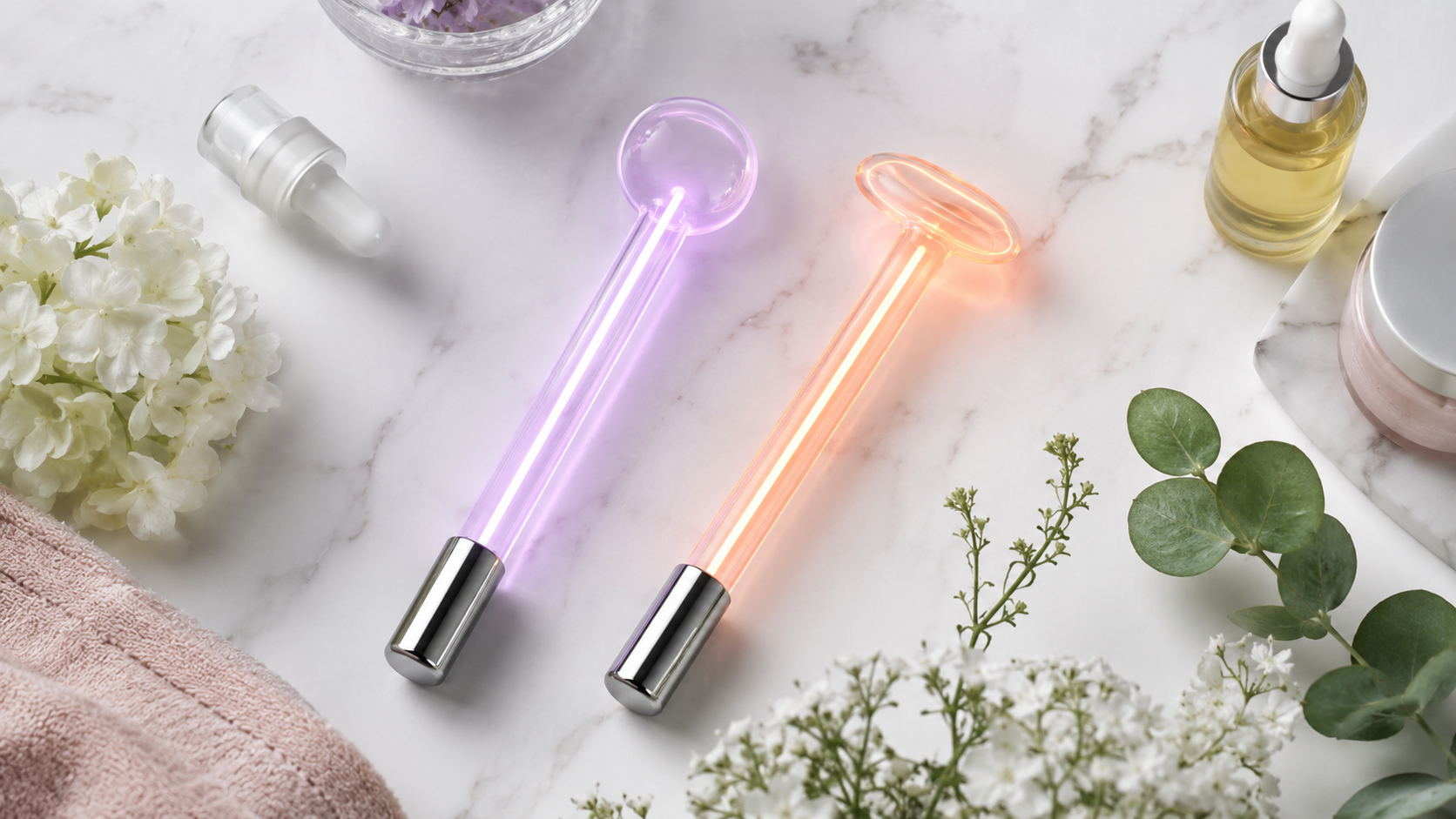
| Feature | Argon | Neon |
|---|---|---|
| Gas color | Violet / Purple | Orange / Red |
| Ozone output | Higher | Lower |
| Primary action | Antibacterial, anti-inflammatory | Circulation-boosting, collagen-stimulating |
| Best skin type | Oily, acne-prone, combination | Dry, mature, all types |
| Best concern | Active breakouts, enlarged pores | Fine lines, dull skin, hair thinning |
| Penetration depth | Surface to mid-dermis | Mid to deeper dermis |
| Typical user age range | 20s–30s | 30s–50s+ |
The decision rule is actually quite simple: if your skin is producing too much (excess oil, bacteria, breakouts), argon is your starting point. If your skin needs a boost (circulation, collagen, renewal), neon is the better match.
Worth noting: some electrode kits include both gas types as interchangeable attachments. If your skin has mixed concerns — occasional breakouts alongside early signs of aging — a dual-electrode setup is genuinely the most versatile option.
Can You Use Both Gases on the Same Skin?
This is one of the most common follow-up questions, and the short answer is yes — with some caveats.
Many at-home wands come with interchangeable electrode attachments, making it perfectly practical to use argon on some areas and neon on others. Here's a sensible protocol if you want to work with both:
- Use argon on active breakout zones (forehead, chin, nose)
- Use neon on areas without active acne (cheeks, neck, décolleté)
- Avoid using both gases on the exact same area in the same session — allow 24–48 hours between gas types on identical zones to let your skin process each treatment properly
Both argon and neon are inert gases. The ozone produced during treatment exists at trace levels well within safe thresholds — this is not the same as industrial ozone exposure. That said, always patch-test before full-face use, especially if your skin is sensitive or reactive.
Quick tip: If you're new to high frequency devices, start with just one electrode type for the first two weeks. This makes it easier to observe how your skin responds before adding the second gas into your routine.
Dermatologist consensus is that low-level high frequency devices are generally considered safe for home use when operated according to manufacturer instructions and used on intact, healthy skin.
How to Choose the Right Electrode for Your Skin Goals
Still not sure which way to go? Here's a simple decision framework to cut through the noise.
Step 1: Identify your primary skin concern
- Active acne, oiliness, enlarged pores → Argon
- Fine lines, dullness, sagging, hair thinning → Neon
Step 2: Assess your skin type
- Oily or combination → lean toward argon
- Dry, dehydrated, or mature → lean toward neon
- Normal skin with mixed concerns → consider a dual-electrode kit
Step 3: Factor in your age range as a secondary signal
- 20s–early 30s with breakout history → argon is the logical starting point
- Mid-30s onward with anti-aging goals → neon becomes increasingly relevant
Step 4: Choose your electrode shape The gas type matters, but so does the shape of the glass tube:
- Mushroom electrode — broad coverage, ideal for cheeks and forehead
- Spoon electrode — curved for under-eye area and jawline
- Comb electrode — designed specifically for scalp use with neon
- Bent/pointed electrode — spot treatment on individual blemishes (typically argon)
For more help aligning your device choice with your specific skin profile, the guide on choosing the right skincare tool for your skin type covers a wider range of at-home tools in detail.
Safety, Frequency of Use & What to Realistically Expect
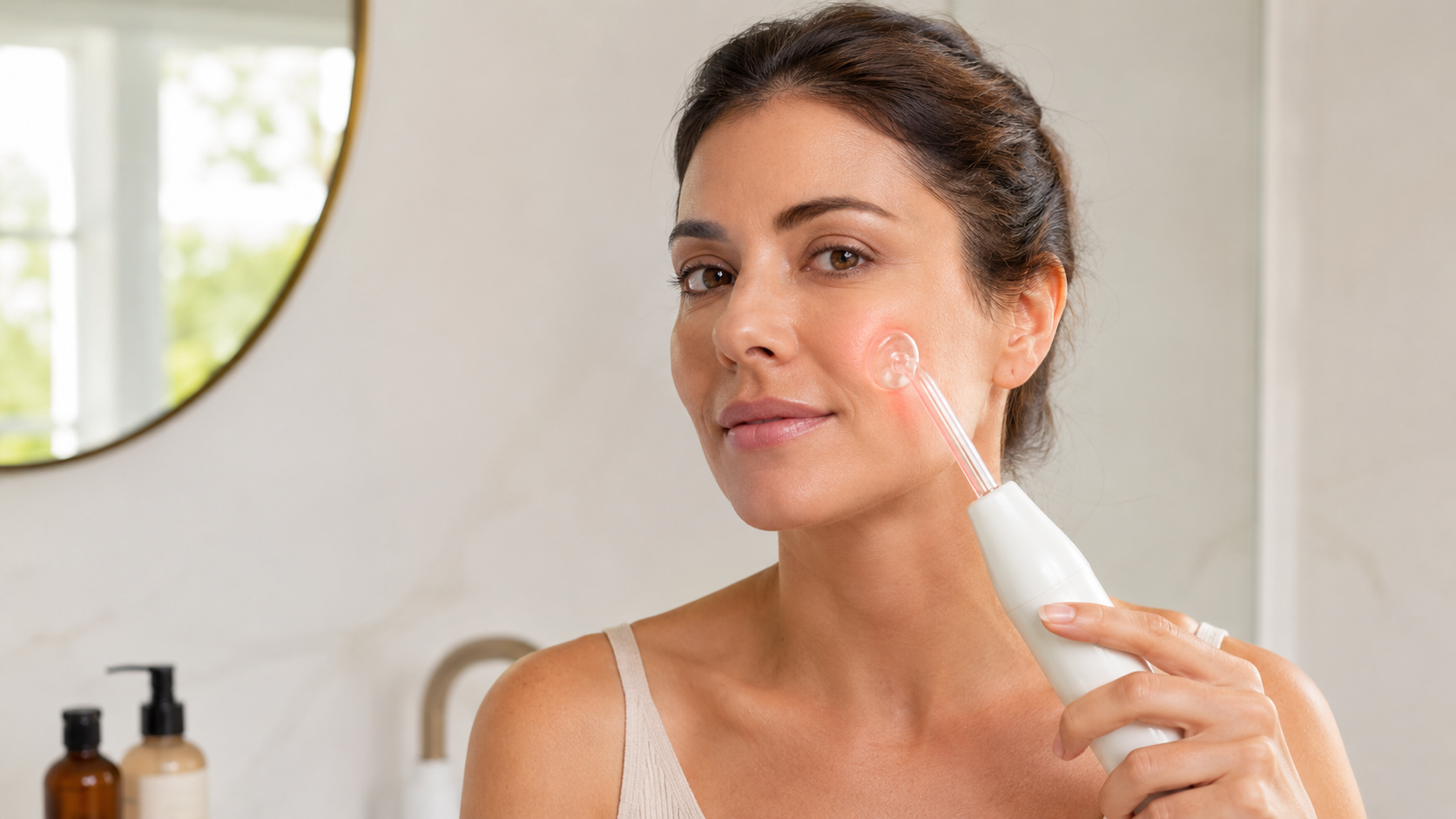
High frequency wands are not a quick fix — and that's actually a good thing, because gradual results tend to be more sustainable than dramatic short-term changes.
General safe usage guidelines:
- Most at-home HF devices: 3–5 sessions per week, 5–10 minutes per area per session
- Visible improvement in skin clarity or texture typically reported within 4–8 weeks of consistent use
- Results are cumulative — skipping sessions slows progress significantly
- HF wands support the skin's natural renewal process; they do not replace professional dermatological care
Who should avoid high frequency wands:
- Pregnant women
- People with pacemakers or implanted electrical devices
- Those with a history of epilepsy or seizure disorders
- Anyone with open wounds, active cold sores, or severely broken skin in the treatment area
Research on electrical facial stimulation safety suggests that when devices are used within recommended parameters, adverse effects are rare. The peer-reviewed literature on high-frequency electrical stimulation and skin response continues to grow alongside consumer device adoption, supporting the safety and efficacy of these tools when used as directed.
The bottom line: be consistent, be patient, and respect your skin's signals. If anything feels uncomfortable, reduce the intensity or frequency before stopping entirely.
Ready to find the right electrode for your concerns? If breakouts are your focus, explore the HighWand high frequency wand for acne-prone skin. If you're targeting fine lines, firmness, or skin renewal, the HighWand Anti-Aging Wand is worth a closer look. Both come with the electrode type matched to the concerns covered in this guide — no guesswork needed.
Frequently Asked Questions
Is argon or neon better for acne? Argon is the clear winner for active acne. Its higher ozone output gives it stronger antibacterial properties that target acne-causing bacteria (P. acnes) directly at the skin's surface. Neon has some mild anti-inflammatory benefits but is not the primary tool for breakout control.
Is neon high frequency safe for sensitive skin? Generally yes, but start at the lowest intensity setting and keep sessions short (3–5 minutes) until your skin acclimates. Always patch-test on a small area first and wait 24 hours before treating a larger area.
Can I use a neon electrode to treat acne? Neon has mild circulatory benefits that may support overall skin health, but it generates significantly less ozone than argon. For active, inflamed breakouts, argon is the more effective choice. Neon is better reserved for overall skin renewal rather than targeted blemish treatment.
Do argon and neon wands look different? Yes — noticeably so. Argon electrodes glow violet or purple when activated; neon electrodes glow orange or red. The color difference makes it easy to identify which gas you're working with at a glance, even without reading the label.
How long before I see results from a high frequency wand? Most users report visible changes in skin clarity, texture, or tone within 4–6 weeks of regular use — typically 3–5 sessions per week. Neither argon nor neon delivers overnight results. Consistency is the defining factor in how quickly and clearly you see progress.

About the Author: Calla Winslow
Calla Winslow is a passionate skincare enthusiast and beauty writer based in Los Angeles. With a love for science-backed routines and a deep understanding of sensitive skin, Calla shares expert tips, honest reviews, and practical wellness advice to help readers achieve their healthiest glow.
More skincare tips
View all-

A High Frequency Machine Milady: What You Need ...
Discover what a high frequency machine is, how it works on skin, and why estheticians love it. Find the best at-home option for your routine. Shop now →
A High Frequency Machine Milady: What You Need ...
Discover what a high frequency machine is, how it works on skin, and why estheticians love it. Find the best at-home option for your routine. Shop now →
-

Tube Facial: What It Is, How It Works & Real Be...
Discover what a tube facial really does for your skin, how to do it at home, and which tools actually work. Try it yourself today!
Tube Facial: What It Is, How It Works & Real Be...
Discover what a tube facial really does for your skin, how to do it at home, and which tools actually work. Try it yourself today!
-

H Rosacea Formula: What It Is & How to Manage F...
Discover what the H rosacea formula means, which ingredients calm redness, and how to build a gentle routine that soothes sensitive skin. Read now →
H Rosacea Formula: What It Is & How to Manage F...
Discover what the H rosacea formula means, which ingredients calm redness, and how to build a gentle routine that soothes sensitive skin. Read now →
- Choosing a selection results in a full page refresh.
- Opens in a new window.